Class B commercial properties and C commercial properties are often overlooked—but for savvy investors, they present some of the best opportunities in today’s market. In cities like Indianapolis, where affordability and growth intersect, these properties can deliver strong returns when approached strategically.
If you’re looking to maximize returns on Class B & C commercial properties, understanding how to identify, reposition, and manage these assets is key to long-term success.
What Are Class B & C Commercial Properties?
Before diving into strategy, it’s important to understand the difference between these asset classes.
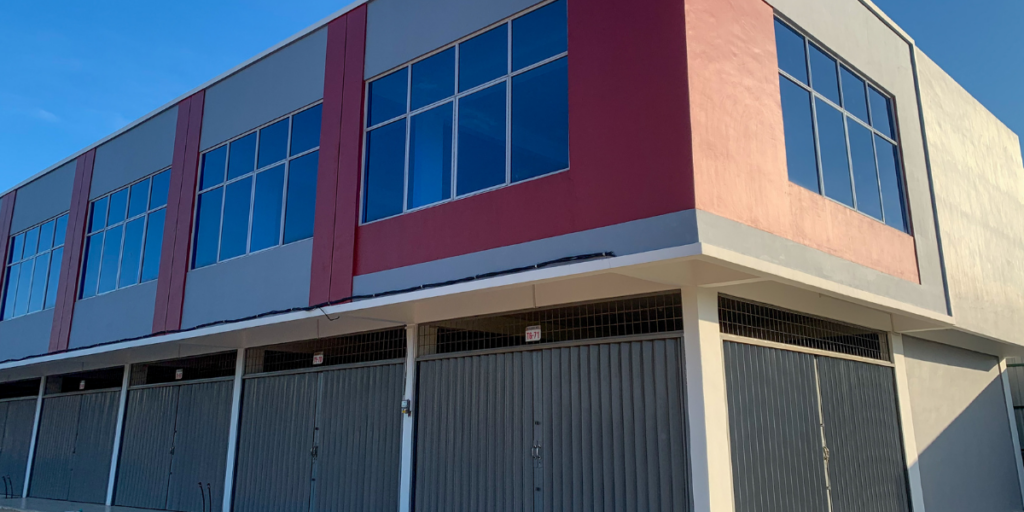
- Class B properties are typically older buildings in good condition, often located in solid but not prime areas. They may not offer top-tier amenities but can still attract stable tenants.
- Class C properties are usually older, require more maintenance, and are often located in less desirable areas. However, they typically come at a lower purchase price.
In Indianapolis, both property types are widely available across industrial, retail, and office sectors—making them attractive entry points for investors seeking value-add opportunities.
Why Class B Commercial Properties & C Properties Offer Strong Investment Potential
The Indianapolis commercial real estate market is evolving quickly, with investors showing interest in adaptive reuse and mixed-use development strategies. This environment makes Class B and C properties appealing for those looking to enter the market with less capital and take advantage of value-add opportunities.
Additionally, these properties often provide:
- Higher cap rates
- Opportunities for repositioning
- Increased demand from small to mid-sized tenants
Indianapolis, in particular, offers strong fundamentals for these investments. With continued population growth and expanding suburban markets, demand for affordable commercial space remains steady.
Strategy #1: Focus on Value-Add Improvements
The most effective way to maximize returns on Class B & C commercial properties is through targeted upgrades. These don’t have to be massive renovations. In many cases, simple improvements can significantly increase property value and rental income, such as:
- Updating exterior curb appeal
- Improving common areas
- Enhancing lighting and signage
- Modernizing interiors
These upgrades can justify higher rents and attract better-quality tenants without the cost of a full redevelopment.
Strategy #2: Optimize Tenant Mix and Lease Structure
Your tenants directly impact your returns. For retail and office properties, focusing on a strong tenant mix can improve both stability and long-term value. In Indianapolis, small businesses, service providers, and local operators are often ideal tenants for Class B and C spaces.
Lease structure also matters. Consider:
- Adjusting lease terms to reduce vacancy risk
- Implementing gradual rent increases
- Offering flexible terms to attract reliable tenants
A well-managed tenant strategy can significantly increase net operating income (NOI), which directly impacts property value.
Strategy #3: Improve Property Management
Operational efficiency is often overlooked—but it plays a major role in maximizing returns. Better property management can reduce expenses, improve tenant satisfaction, and increase retention.
This includes:
- Proactive maintenance
- Efficient communication with tenants
- Streamlined operations
In competitive markets like Indianapolis, strong management can be the difference between an underperforming asset and a high-performing one.
Strategy #4: Target Emerging Submarkets
Location still matters—even for Class B and C properties. In Indianapolis, emerging areas and growing suburbs like Fishers, Greenwood, and parts of the west side are seeing increased demand. Investing in these areas early can provide upside as development continues and property values rise. Rather than focusing only on established high-cost areas, investors should look for neighborhoods with:
- Population growth
- Infrastructure improvements
- Expanding business activity
These signals often indicate future appreciation potential.
Strategy #5: Control Costs and Increase Efficiency
Maximizing returns isn’t just about increasing revenue—it’s also about managing expenses. Review operating costs regularly and identify opportunities to improve efficiency. This may include:
- Upgrading to energy-efficient systems
- Negotiating vendor contracts
- Reducing unnecessary overhead
Even small cost reductions can significantly improve your bottom line over time.
Why Indianapolis Is Ideal for Class B & C Investments
Indianapolis stands out as a strong market for Class B and C commercial real estate due to its affordability, central location, and steady economic growth. Unlike higher-priced metros, Indy allows investors to acquire properties at lower price points while still benefiting from consistent tenant demand. This makes it an ideal environment for value-add strategies and long-term portfolio growth.
Final Thoughts
Class B and C commercial properties are not just “secondary” assets—they are often where the greatest opportunities exist. By focusing on strategic improvements, strong tenant management, and smart market selection, investors can unlock significant value and maximize returns.
At Kaizen Real Estate Advisors, we help investors identify and capitalize on these opportunities across the Indianapolis market. Whether you’re acquiring your first property or scaling your portfolio, having the right strategy can make all the difference.